

The landscape of industrial electrical engineering is undergoing a profound paradigm shift. For decades, traditional point-to-point hardwiring served as the standard for control panels and power distribution. However, the rise of hyperscale data centers, 5G telecommunications, and smart grids has exposed the limitations of rigid, permanent wiring. Modern infrastructure demands flexibility, scalability, and rapid deployment capabilities that legacy systems simply cannot provide. In response, the industry has migrated toward modular DIN rail systems, which allow for a more agile approach to electrical architecture. Within this evolving sector, UTL Electrical Co., Ltd., a prominent China Modular DIN Rail Terminal Blocks Manufacturer, has played a pivotal role in refining these technologies. By focusing on the intersection of material science and modular design, the company provides the essential components that allow digital infrastructure to remain adaptable to the changing needs of global energy and data networks.
The Paradigm Shift Toward Modular Systems
The move away from traditional wiring toward modularity is driven by the need for operational efficiency. In a point-to-point system, any modification or repair requires significant downtime and specialized labor. Conversely, modular DIN rail systems utilize a standardized mounting rail, allowing components to be snapped into place, rearranged, or replaced with minimal effort. This transition is not merely a matter of convenience; it is a strategic requirement for the digital age. As industrial environments become more data-intensive, the physical layer of the electrical network must support higher densities of connections within smaller footprints.
For operators of modern data centers or automated manufacturing plants, the ability to scale power distribution quickly is a significant competitive advantage. Modular terminal blocks facilitate this by providing a “plug-and-play” environment for electrical connections. This design philosophy reduces the potential for human error during installation and simplifies the troubleshooting process. By establishing a professional standard for modularity, specialized manufacturers enable engineers to build systems that are robust enough for today’s demands while remaining flexible enough for tomorrow’s upgrades.
Material Science: Defining the Boundaries of Performance
At the heart of every high-performance terminal block lies a complex balance of material science. The choice of metals for conductive and structural components determines the efficiency, safety, and longevity of the entire electrical system. In the industrial sector, the most common materials used are brass, red copper (pure copper), and steel. Each material offers distinct advantages and limitations regarding electrical conductivity, thermal expansion, and mechanical strength.
Red copper is widely recognized for its superior electrical conductivity, which minimizes energy loss and heat generation. This makes it the ideal choice for current-carrying bars in high-performance terminal blocks. Brass, an alloy of copper and zinc, offers better mechanical strength and corrosion resistance, making it suitable for certain clamping components, although its conductivity is lower than that of pure copper. Steel, while possessing excellent mechanical durability and high clamping force, has poor conductivity compared to copper-based alloys. Consequently, steel is primarily utilized in spring-cage mechanisms or screw clamps where physical pressure is more critical than current flow.
Engineers at UTL apply rigorous standards to these material selections to solve the problem of temperature rise under high-current loads. If a terminal block utilizes inferior alloys, the increased resistance can cause localized overheating, leading to insulation failure or fire hazards. By optimizing the use of red copper for the primary conductive path and utilizing high-strength steel for the clamping elements, the manufacturer ensures that the components maintain their electrical integrity even under extreme industrial conditions. This scientific approach to material selection is a cornerstone of the company’s engineering philosophy.
The Revolution in Industrial Distribution Terminal Blocks
As electrical cabinets become more crowded, the demand for efficient space management has led to the development of specialized Industrial Distribution Terminal Blocks. These components are designed to handle complex power distribution tasks within a compact modular framework. Instead of a messy web of jumper wires, distribution blocks allow for a high-density parallel connection layout. This standardization of power distribution not only saves physical space but also introduces a logical, anti-error installation flow.
The structure of these distribution blocks often includes multi-level connection points and integrated bridging systems. Such designs allow a single input power source to be distributed to multiple outputs with minimal resistance and maximum organization. For maintenance teams, this organized layout is invaluable. It allows for quick visual inspections and clear identification of circuits, significantly reducing the “mean time to repair” (MTTR). By transforming complex power distribution into a set of standardized modules, these products empower engineers to build highly reliable and manageable electrical architectures for the most demanding industrial applications.
Strategic Integration: From Liushi to the Global Stage
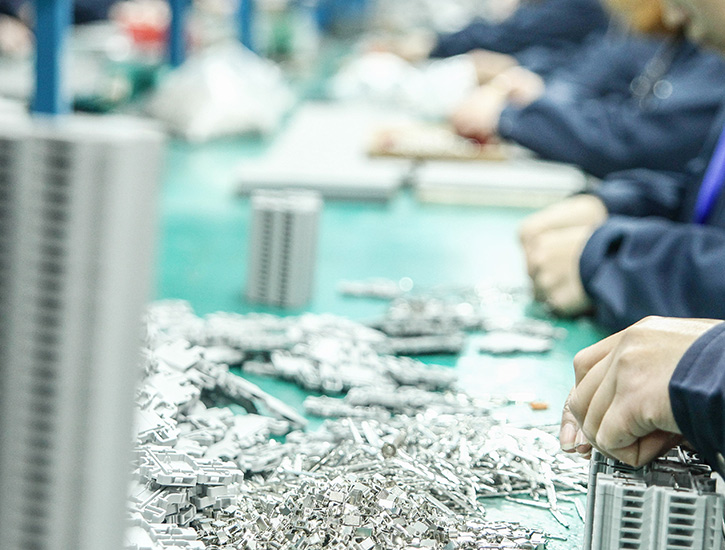
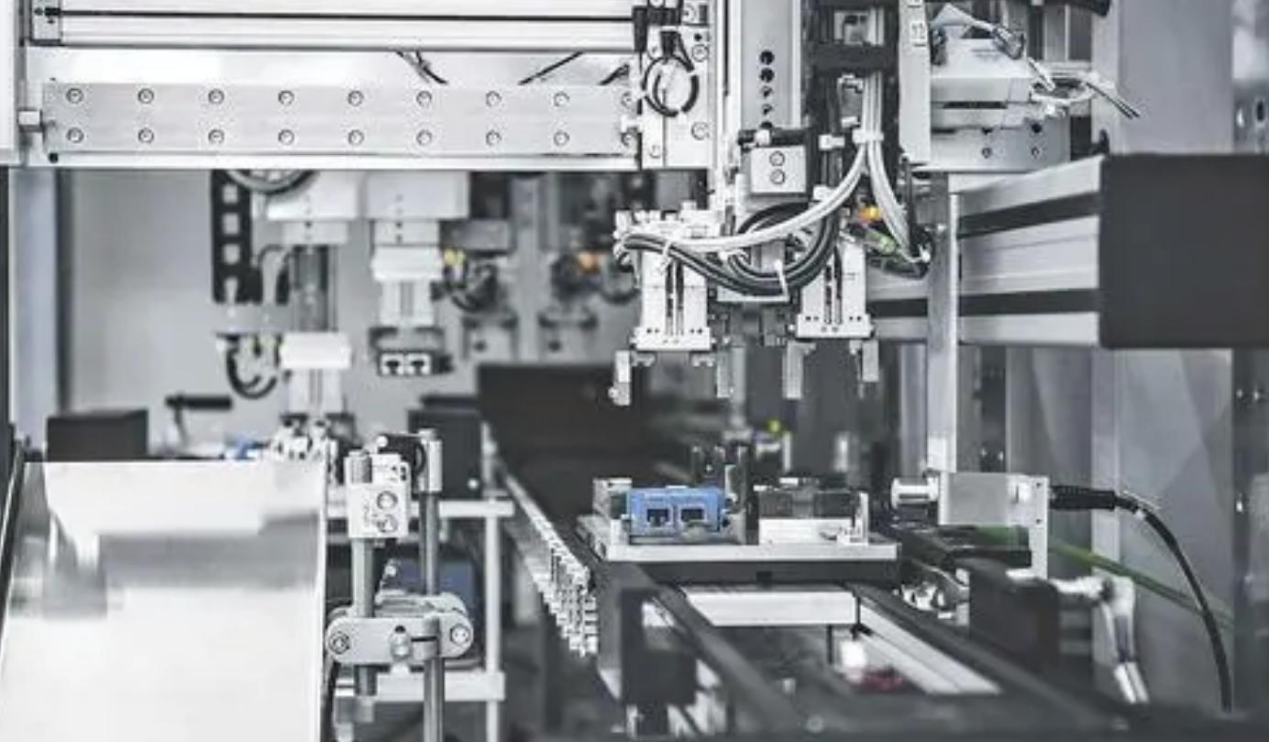
The ability to produce such high-precision components consistently is the result of a long-term commitment to full industry chain integration. Established in 1990 in Liushi, the recognized capital of low-voltage electrical appliances in China, UTL has spent over three decades refining its manufacturing capabilities. The organization operates on a model that integrates research and development, mold design, precision stamping, injection molding, and final assembly. This vertical integration allows for total control over product quality, ensuring that every component meets the high standards required for the international market.
Currently, the company manages three modern production bases in Wenzhou, Kunshan, and Chuzhou, supported by marketing centers in Shanghai and Shenzhen. This “two points and one vertical” layout creates an industrial cluster that radiates influence globally. With exports accounting for 65% of total sales, the brand has successfully positioned itself in the first echelon of the global connector industry. This international focus is backed by a robust certification portfolio, including UL, TUV, VDE, and CE, alongside the ISO9001 quality management system. These certifications are essential for cross-border trade, as they act as a “trust bridge” between the manufacturer and the global client base.
Risk Mitigation and Global Compliance
In the modern global supply chain, the cost of a component failure far exceeds the price of the part itself. For international buyers, the primary risk is not just the technical performance of a terminal block, but also its regulatory compliance and long-term reliability. Choosing a manufacturer with a proven track record in obtaining international certifications provides a critical layer of risk mitigation. For example, UL and TUV certifications ensure that products have undergone rigorous testing for fire safety, electrical insulation, and mechanical durability.
For cross-border partners, the “certainty” provided by a fully integrated manufacturer is invaluable. When a company controls its mold manufacturing and material sourcing, it can guarantee consistency across different production batches. This reduces the “trust cost” associated with international procurement. By providing high-quality, certified hardware, the organization empowers its global partners to focus on their core competencies—whether that be building smart grids or developing new telecommunications hardware—without worrying about the reliability of their underlying electrical connections.
Re-evaluating the Value of Connectivity
As the world continues its journey toward total digitalization, the importance of the physical infrastructure that supports this transition cannot be overstated. Connectivity is no longer a commodity; it is a strategic asset that determines the resilience of the entire system. From the careful selection of red copper for conductive paths to the innovative design of modular distribution blocks, every detail contributes to the stability of the digital world.
UTL invites global enterprises to re-evaluate their approach to electrical connectivity. By leveraging the technical insights and manufacturing excellence of a proven leader in the field, partners can build more flexible, efficient, and reliable infrastructure. The commitment to innovation proposed by General Manager Mr. Zhu Pinyou—to comply with the times and dare to innovate—ensures that the organization remains a key driver in the globalization of digital electrical networks. As we build the high-resilience infrastructure of the future, the foundation will undoubtedly be laid with the precision and quality of advanced modular connectivity.
For more detailed information on our technical specifications and global solutions, please visit our official website: https://www.utl-electric.com/.
Post time: Feb-01-2026